
The Four Pillars of Chinese Literature: An Introduction to China’s 4 Great Classic Novels

Imagine a literary tradition spanning thousands of years, filled with epic tales of heroism, spiritual journeys, philosophical intrigue, and profound human drama. At the heart of this tradition stand four monumental works known in China as the “Four Great Classic Novels.” These books are more than just stories; they are the bedrock of Chinese culture, influencing art, language, values, and popular imagination for centuries.
For any reader looking to understand the soul of China, these four novels provide an unparalleled gateway. Written between the 14th and 18th centuries, they remain wildly popular today, constantly adapted into movies, television series, and video games.
Let’s embark on a journey to discover these four masterpieces.
1. Water Margin (《水浒传》)Also known as: Outlaws of the Marsh
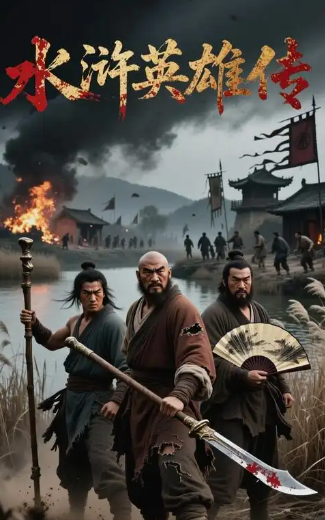
Themes: Brotherhood, Righteous Rebellion, and Justice
Water Margin, written in the 14th century and attributed to Shi Nai’an, is often described as China’s Robin Hood epic, but on a much grander scale. Set during the Song Dynasty, it tells the story of 108 outlaws who are brought together by fate and a shared sense of injustice.
Brief Plot:
The novel begins with the release of 108 demon spirits, imprisoned for centuries, who are reborn as mortal men and women. The central figure, Song Jiang, is a virtuous magistrate forced into a life of crime. He eventually becomes the leader of a rebellion based in the Liangshan Marsh. The first part of the novel is a thrilling collection of backstories, showing how each of the 108 heroes—from the fierce Lu Zhishen to the clever Wu Yong—is driven to outlawry by a corrupt and oppressive government. They form a formidable army of “righteous bandits,” robbing from the rich and giving to the poor while challenging the imperial court. The second half deals with their eventual, and somewhat tragic, pardon by the emperor, who sends them on campaigns to suppress other rebels and defend the nation, leading to their ultimate dissolution.
—
2. Romance of the Three Kingdoms (《三国演义》)
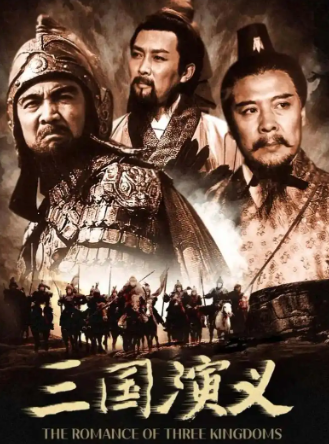
Themes: Power, Strategy, Loyalty, and the Mandate of Heaven
Authored by Luo Guanzhong in the 14th century, this is a monumental historical novel that chronicles nearly a century of Chinese history (AD 169–280). It is a sweeping saga of war, political intrigue, and personal ambition following the fall of the Han Dynasty.
Brief Plot:
After the Han Dynasty collapses, China splits into three warring states: Shu, Wei, and Wu. The novel brilliantly dramatizes the complex alliances and betrayals between these kingdoms. It is famous for its vast cast of characters, most notably the three pivotal figures: the cunning and manipulative Cao Cao of Wei, the virtuous and compassionate Liu Bei of Shu, and the formidable strategist Sun Quan of Wu. The heart of the story lies in the brilliant strategies and military genius of characters like Zhuge Liang, whose cunning plans and foresight are legendary. The novel explores the timeless question of what gives a ruler the right to rule—is it birthright, virtue, or sheer power? It is a masterclass in realpolitik and warfare that remains deeply influential in both East Asia and the business world today.
—
3. Journey to the West (《西游记》)

Themes: Perseverance, Redemption, and the Quest for Enlightenment
This 16th-century novel by Wu Cheng’en is China’s great comic fantasy and spiritual adventure. A blend of mythology, folklore, and Buddhist philosophy, it is wildly entertaining and deeply profound.
Brief Plot:
The story follows the misadventures of the Monkey King, Sun Wukong—a brilliant, rebellious, and nearly invincible being born from a stone. After defying the gods of heaven, he is imprisoned under a mountain for 500 years. He is freed by a Buddhist monk, Xuanzang (called Tripitaka in the novel), who is on a sacred mission to India to retrieve holy scriptures. Tasked with protecting the pious but gullible monk, the Monkey King is joined by two other disciples: the gluttonous pig-man Zhu Bajie and the silent river-ogre Sha Wujing. Their journey west is a series of perilous encounters with monsters, demons, and spirits, all of whom want to eat the monk to gain immortality. Sun Wukong’s wit, magical powers, and combat skills are constantly tested as they overcome 81 tribulations, learning lessons in humility, duty, and faith along the way.
—
4. Dream of the Red Chamber (《红楼梦》)Also known as: The Story of the Stone
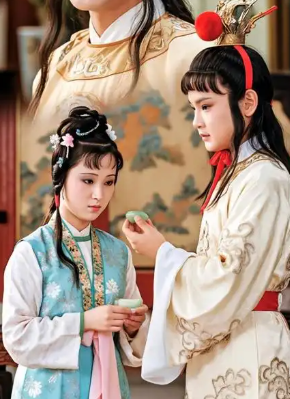
Themes: Love, Fate, Family, and the Transience of Worldly Glory
Considered the pinnacle of Chinese literature, this 18th-century novel by Cao Xueqin is a profound and tragic family saga. It is a detailed, realistic portrait of aristocratic life and its inevitable decline.
Brief Plot:
The novel centers on the wealthy, multi-branched Jia family and their immense estates, most notably the Grand View Garden. The story is told through the perspective of a sentient stone, and its two main protagonists are the melancholic, sensitive adolescent Jia Baoyu and his frail, poetic cousin Lin Daiyu. Baoyu, who hates the rigid formalities of the aristocracy, shares a deep, spiritual love with Daiyu. However, his family, seeing their fortune decline, orchestrates a marriage between Baoyu and another cousin, the virtuous and accommodating Xue Baochai, in a desperate attempt to secure his future. This deception leads to tragic consequences, including Daiyu’s death from heartbreak. The novel meticulously documents the daily lives, friendships, rivalries, and intricate social webs of the Jia household, building towards its inevitable, heartbreaking collapse, mirroring the decline of the dynasty itself.
These four classics offer something for every reader: the raw action of Water Margin, the strategic genius of Three Kingdoms, the fantastical adventure of Journey to the West, and the deep emotional resonance of Dream of the Red Chamber. Together, they form a complete picture of the Chinese spirit—its ideals, its struggles, and its timeless imagination.
Madara - Posts

How to use sharp and sarcastic lines in Chinese novels?

150 Plot Points for Modern ChineseFiction

50 Classic Plot Points in Chinese novels


Reading Winter Begonia: A Soul Encounter Across Turbulent Times


